How Can Poor Ground Preparation Ruin Block Paving?
Block paving can create an attractive, practical and durable surface for a driveway, path or patio. However, its long-term performance depends on far more than the quality of the visible blocks. The preparation beneath the surface determines whether the paving remains level, stable and capable of carrying its intended loads.
Poor ground preparation may not cause obvious problems immediately. The paving can look neat when first installed, only for depressions, movement and drainage issues to appear after regular use. For property owners in Horley, Hampshire, understanding the importance of the foundation can help explain why professional installation matters.
Why Ground Preparation Determines Block-Paving Performance
A block-paved surface is built in layers. The existing ground, sub-base, laying course, blocks, jointing sand and edge restraints all work together. If the lower layers are weak or incorrectly installed, the surface above cannot perform reliably.
Insufficient Excavation Leaves Weak Material in Place
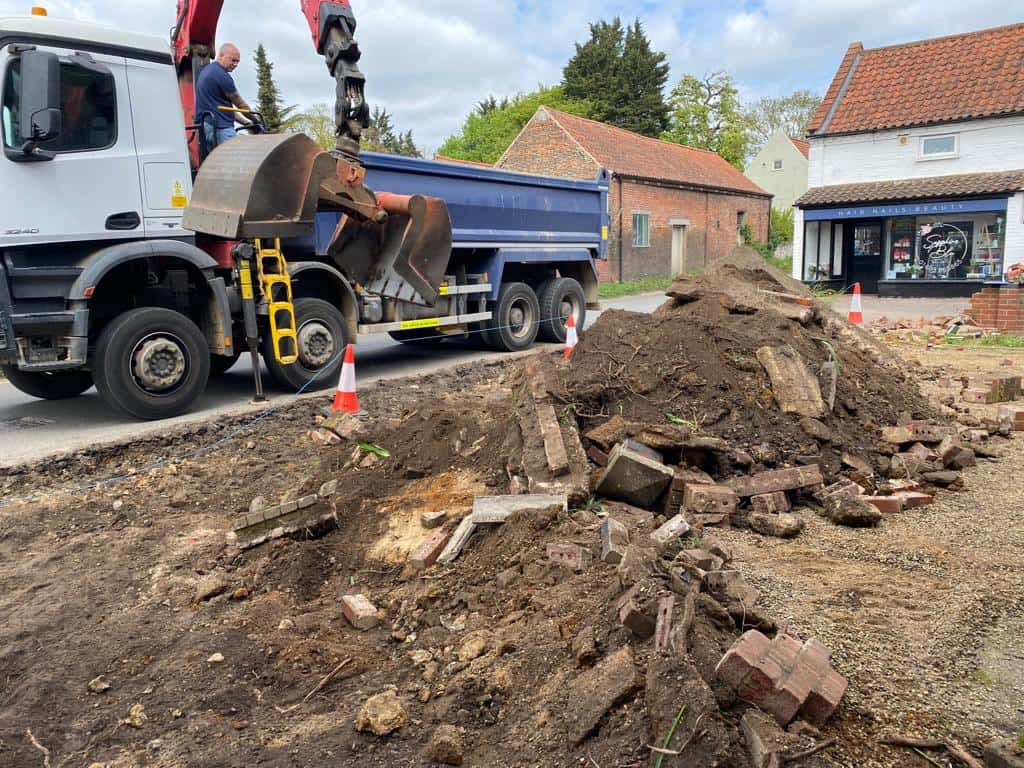
Preparing the ground begins with excavation to a depth suitable for the intended surface and expected use. Removing only the turf or uppermost layer of soil may leave organic, loose or unstable material beneath the paving.
This material can compress after construction, particularly under vehicle loads. As it settles unevenly, the blocks above may sink, tilt or form visible wheel tracks.
Soft Ground Requires Proper Assessment
Ground conditions can vary across the same site. One section may be firm while another contains disturbed soil, retained moisture or poorly compacted material from previous work.
Installing the same shallow construction across inconsistent ground can produce localised failure. Professional preparation identifies weaker areas so they can be excavated and stabilised before the sub-base is installed.
An Inadequate Sub-Base Cannot Distribute Loads
The sub-base is the main structural layer beneath block paving. Its purpose is to spread weight across the ground and create a firm platform for the laying course.
If the sub-base is too shallow, constructed from unsuitable material or installed inconsistently, concentrated loads can cause movement. This is especially noticeable where vehicles repeatedly follow the same route or turn in the same area.
Poor Compaction Leads to Settlement
Sub-base material must be compacted thoroughly rather than simply spread across the excavation. Loose aggregate contains voids that close under traffic, causing the surface to settle after installation.
Deeper layers should be placed and compacted in stages. Attempting to compact a thick layer all at once may leave the lower material loose, even when the top appears firm.
Incorrect Levels Cause Standing Water
Ground preparation must establish the correct finished levels and falls before the blocks are laid. A flat or uneven base can create low points where rainwater collects.
Standing water may encourage staining and organic growth, but it can also indicate a deeper construction problem. Persistent moisture can migrate into joints and supporting layers, increasing the likelihood of movement and surface deterioration.
An Uneven Laying Course Creates Unstable Blocks
The laying course provides the final level surface beneath the blocks. It should have a consistent thickness and be prepared carefully over a stable sub-base.
Using the laying material to compensate for large variations below can leave some blocks supported by much deeper sections than others. These areas may settle at different rates, producing rocking blocks and uneven joints.
Weak Edges Allow the Surface to Spread
Block paving relies on effective edge restraints to contain the blocks and jointing material. Without secure edges, the surface can move sideways under regular traffic.
Once the outer blocks begin spreading, joints may widen and laying material can escape. Movement can then progress further into the paved area, affecting sections that were initially stable.
Inadequate Jointing Reduces Interlock
Jointing sand helps the individual blocks work together as an interlocked surface. Joints that are not filled correctly provide less lateral support, allowing blocks to move under pressure.
However, replacing lost sand will not solve movement caused by a failed sub-base. The underlying structure must be assessed before assuming that a surface treatment will provide a lasting repair.
Common Signs of Poor Ground Preparation
Problems associated with inadequate foundations can include:
- Sunken or raised sections
- Deepening wheel tracks
- Rocking or loose blocks
- Widening and irregular joints
- Repeated loss of jointing sand
- Standing water after rainfall
- Edges that spread or collapse
- Repairs that sink again
- Uneven transitions around drains and entrances
One isolated defect may be repairable, but repeated movement across several areas can indicate wider base failure.
Can Poorly Prepared Block Paving Be Repaired?
Localised repairs may be suitable when the problem affects a limited section and the surrounding construction remains stable. The blocks can be lifted, the defective material removed and the base rebuilt before the paving is reinstated.
More extensive reconstruction may be needed when poor preparation affects much of the surface. Simply lifting and levelling the blocks will not provide a dependable result if the underlying sub-base remains weak or inadequately compacted.
Why Surface Appearance Can Be Misleading
Newly installed block paving can appear even and consistent despite weaknesses below. Some defects only become visible after rainfall, seasonal ground movement or repeated vehicle use.
This is why the quality of the preparation should not be judged solely by the finished appearance. Excavation depth, material selection, compaction, drainage and edge construction all influence how the paving performs over time.
The Value of Professional Installation
NS Driveways Horley considers the ground conditions, expected use, drainage and complete layer construction before laying the visible blocks. Careful preparation creates a stable foundation and reduces the risk of settlement, spreading and recurring repairs.
Professional assessment is equally important when existing paving has begun to move. Identifying the depth and extent of the underlying failure helps determine whether targeted repair or broader reconstruction is required.
Conclusion
Poor ground preparation can ruin block paving by allowing it to sink, spread, rock and retain water. Insufficient excavation, a weak sub-base, inadequate compaction and unsecured edges can all undermine an otherwise attractive surface.
If your block paving in Horley, Hampshire, is uneven or you are planning a new installation, contact NS Driveways Horley to arrange a professional assessment and ensure the supporting construction receives the same attention as the finished paving.
Call us on: 01293 225 592
Click here to find out more about NS Driveways Horley
Click here to complete our contact form and see how we can help with your driveways needs.